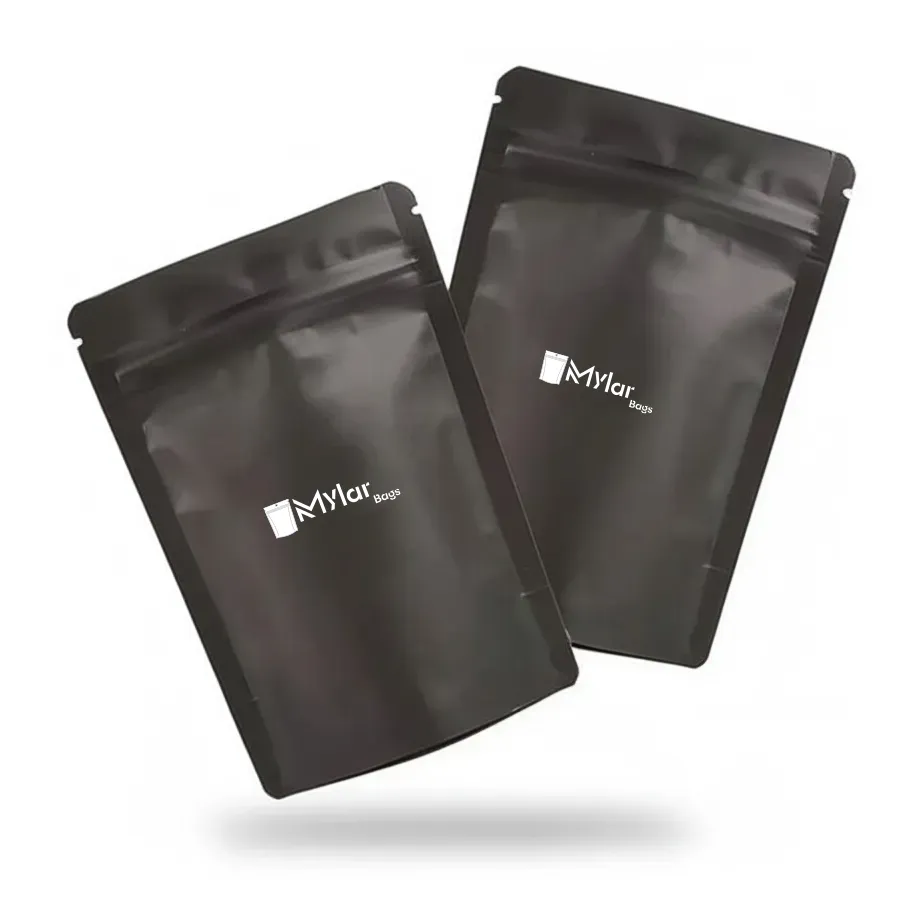
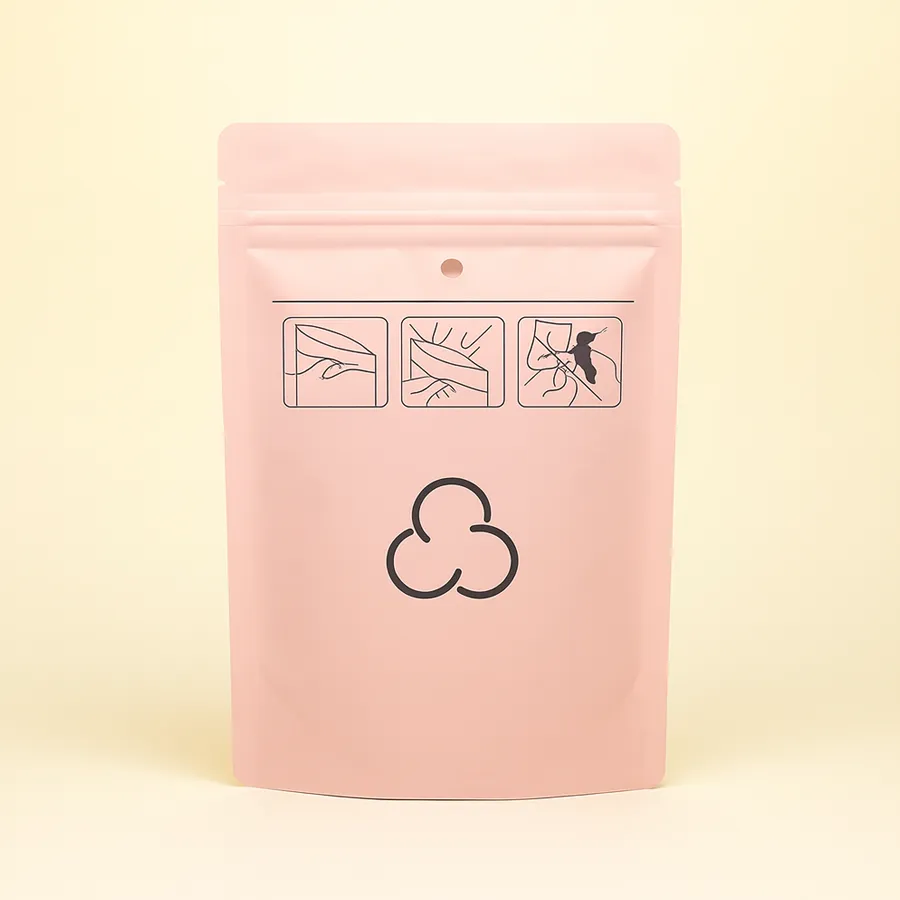
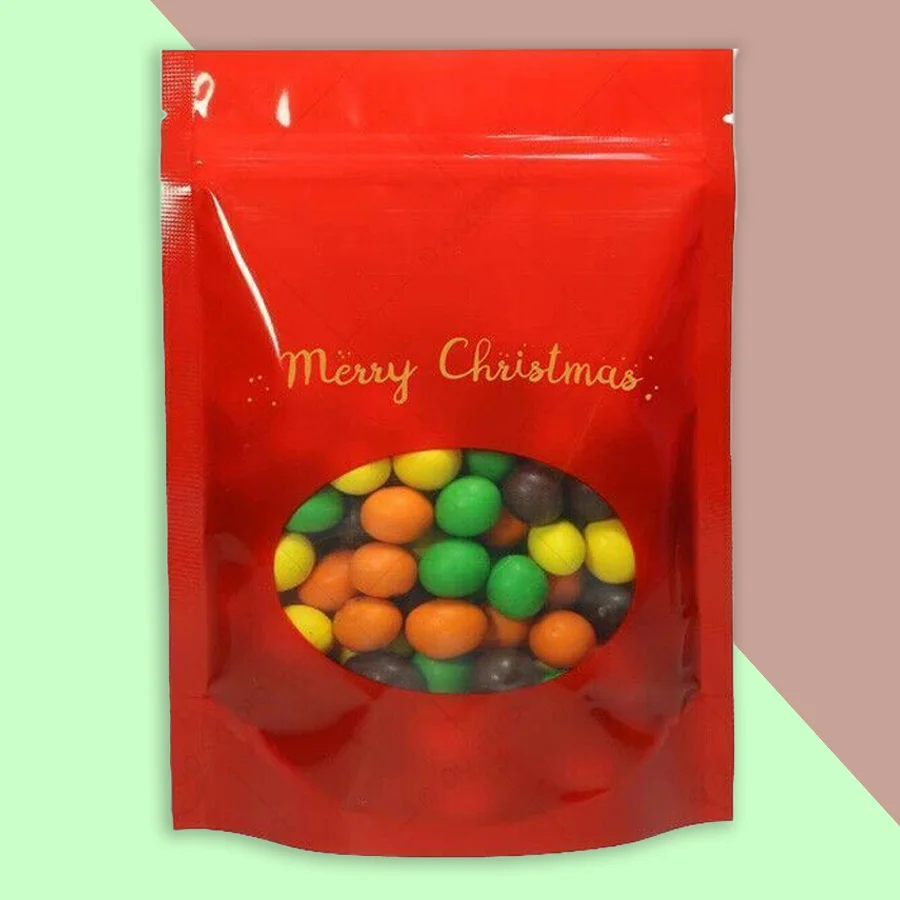
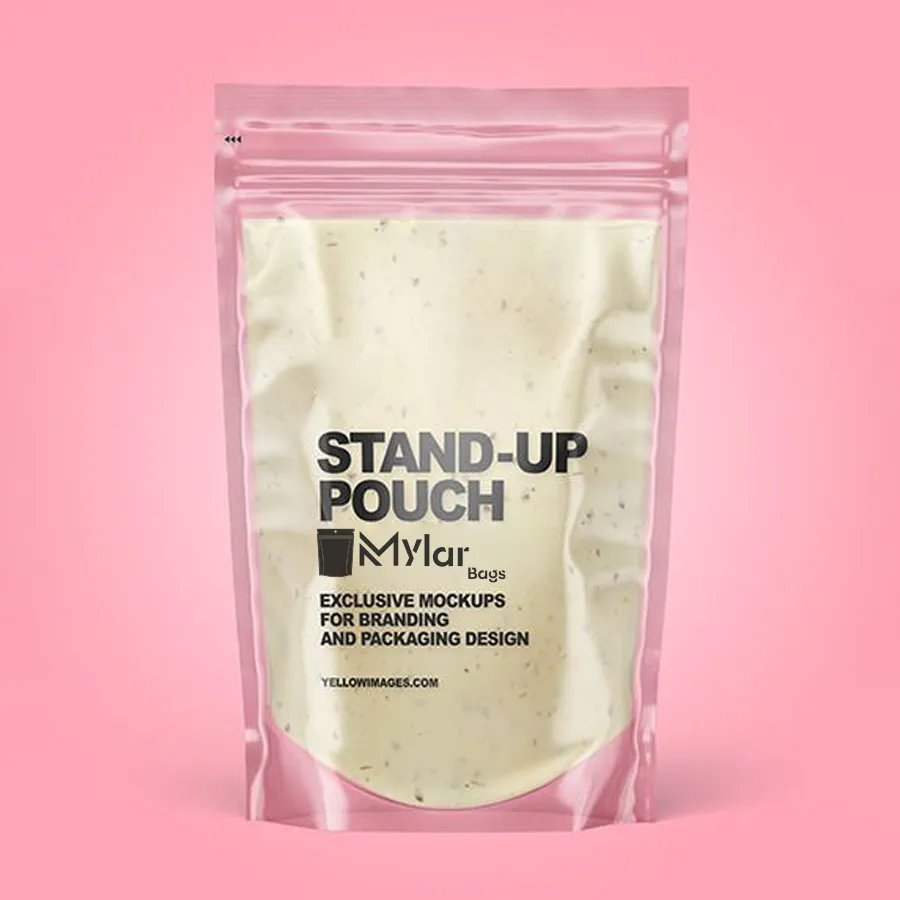
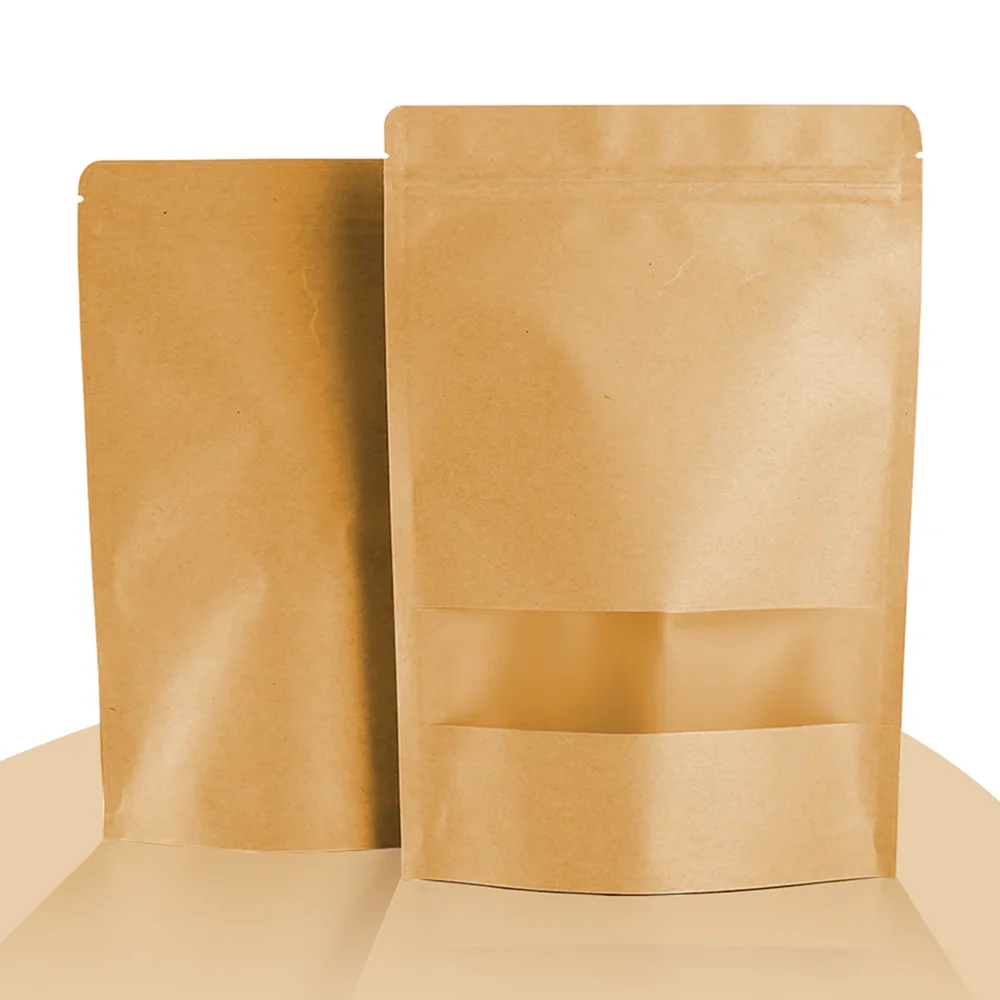
Many businesses face the same challenge: plastic bags that tear easily, packaging that fails to preserve freshness, or branding that looks unprofessional. In a competitive marketplace, the wrong packaging can lead to wasted stock, shorter shelf life, and customers choosing competitors instead. That’s where custom Mylar bags come in. These bags are known for their durability, barrier protection, and branding potential, making them one of the most reliable packaging solutions across industries. At The Mylar Bags, we specialize in creating custom printed Mylar bags and wholesale Mylar packaging that not only protect your products but also present them in a way that builds customer trust. Let’s explore why Mylar bags have become a go-to choice for businesses of all sizes, and how you can use them to your advantage.

Kraft offers a clear, fast-drying, water-based, and eco-friendly coating, available in gloss or matte finishes.

Aluminum Foil utilizes a fast-drying coating cured with ultraviolet light and is offered in either gloss or matte finishes.

Nylon uses a UV coating that is applied to a specified area and cured using ultraviolet light.
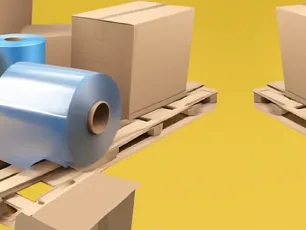
LLDPE provides a soft-to-the-touch coating that creates a velvety texture for a more tactile appeal.

EVOH applies a clear coating using the CMYK printing method and is available in gloss, satin, or matte finishes.
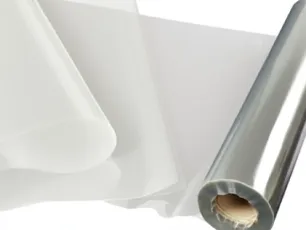
BoPet features a laminated protective film that adheres to the surface of packaging materials to maximize durability.

Polypropylene consists of a laminated BOPP film that is scratch, scuff, and fingerprint-resistant, making it a cost-effective option.

PVC offers a soft-to-the-touch lamination similar to peach skin and is available in a satin or matte finish.

Pet provides a soft-to-the-touch lamination similar to peach skin, available in a satin or matte finish.
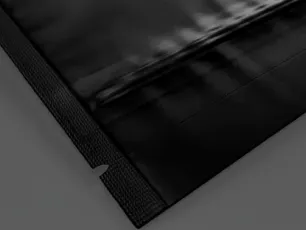
Clear Pet offers a soft-to-the-touch lamination similar to peach skin, available in a satin or matte finish.

Metallized provides a soft-to-the-touch lamination similar to peach skin and is available in a satin or matte finish.

Gravure printing is a high-quality method that uses a printing plate and rubber blanket to transfer designs on paper, best for large runs.
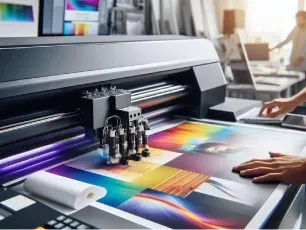
Offset printing is a digital method that requires no printing plate, with designs transferred electronically, making it cost-effective for small runs.

Flexographic printing is a fast-drying method using ultraviolet lights to cure inks, resulting in a gloss finish.

Screen printing uses water and pigment to provide high-quality color output and is 100% eco-friendly.
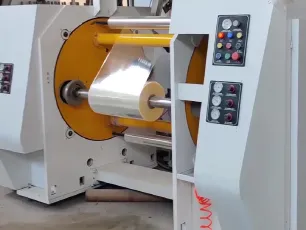
Rotogravure printing is 100% eco-friendly, comprising soy/vegetable oil and pigment to provide a vibrant color output.

Digital printing uses non-eco-friendly ink, comprised of oil and pigment to provide high-quality color output.

UV printing relies on pure color based on specific ink formulas to consistently and precisely print color.

Solvent-based inks use premium-grade bleached white paperboard coated on one side for high-quality printing and finishes.
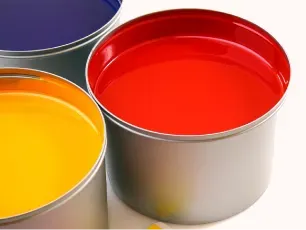
Water-based inks employ premium-grade bleached white paperboard coated on two sides for high-quality printing and finishes.

UV inks utilize duplex paperboard made from 90% recycled paper pulp with a white surface for high-quality printing.

Flexographic inks use duplex paperboard coated on one side and made from 90% recycled paper pulp.

Gravure inks consist of Kraft paper made from a mix of virgin and recycled paper pulp, coated on both sides for printing.

Plastisol inks utilize bleached kraft paper made from a mix of virgin and recycled pulp with coating on both sides for printing.

Pigment-based inks consist of black dyed kraft paper made from a mix of virgin and recycled pulp, coated on both sides for printing.

Dye-based inks use unbleached kraft paper with no coating and are made from a mixture of virgin and recycled paper pulp.
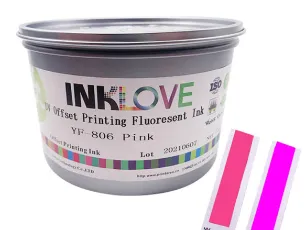
Fluorescent inks use unbleached kraft paper with no coating and are made from a mixture of virgin and recycled paper pulp.

Pantone inks utilize unbleached kraft paper with no coating and are made from a mixture of virgin and recycled paper pulp.

Gloss finishing involves a form of relief printing in which foil is transferred to a surface at high temperatures.

Matte finishing is a form of relief printing where foil is transferred to a surface by pressing onto UV curable adhesives.

Brown Kraft involves a form of relief printing in which dies is pressed on the back of the material to form a raised motif.

Gloss Clear is a form of relief printing in which dies is pressed on the front of the material to form a raised motif.
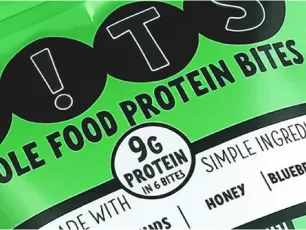
Clear Matte is a form of relief printing in which a die is pressed on the back of the material to form a raised motif.
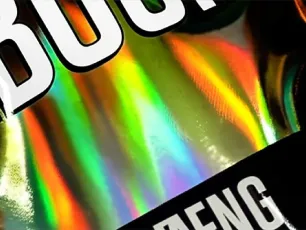
Foil Holographic combines embossing and foil stamping, creating a 3D motif that features a foil finish.

Pearlescent Coating involves a die-cut shape layered with plastic film to feature a window showcasing the product inside.

Soft-Touch Coating involves a die-cut shape layered with plastic film to feature a window showcasing the product inside.

Frosted Effects uses a die-cut shape layered with plastic film to feature a window showcasing the product inside.

Glow-in-Dark Coating involves a die-cut shape layered with plastic film to feature a window showcasing the product inside.

Scented Coating involves a die-cut shape layered with plastic film to feature a window showcasing the product inside.

Textured Film uses a die-cut shape layered with plastic film to feature a window showcasing the product inside.

Anti-Scratch Coating involves a die-cut shape layered with plastic film to feature a window showcasing the product inside.

This feature is included to provide a designated and easy-to-use point for tearing open the packaging, allowing consumers quick access to the contents.

Gussets are incorporated into the packaging design to add extra material, expanding the bag's capacity and allowing it to hold a greater volume of product.

Rounded corners are used on the packaging to create a smoother, safer edge, reducing the risk of injury during handling or transport.

Hang holes are a strategic design element, allowing the packaged product to be easily displayed on a hook or peg in a retail environment.

These are a straightforward and cost-effective packaging solution commonly used for various products, offering a simple yet functional design.

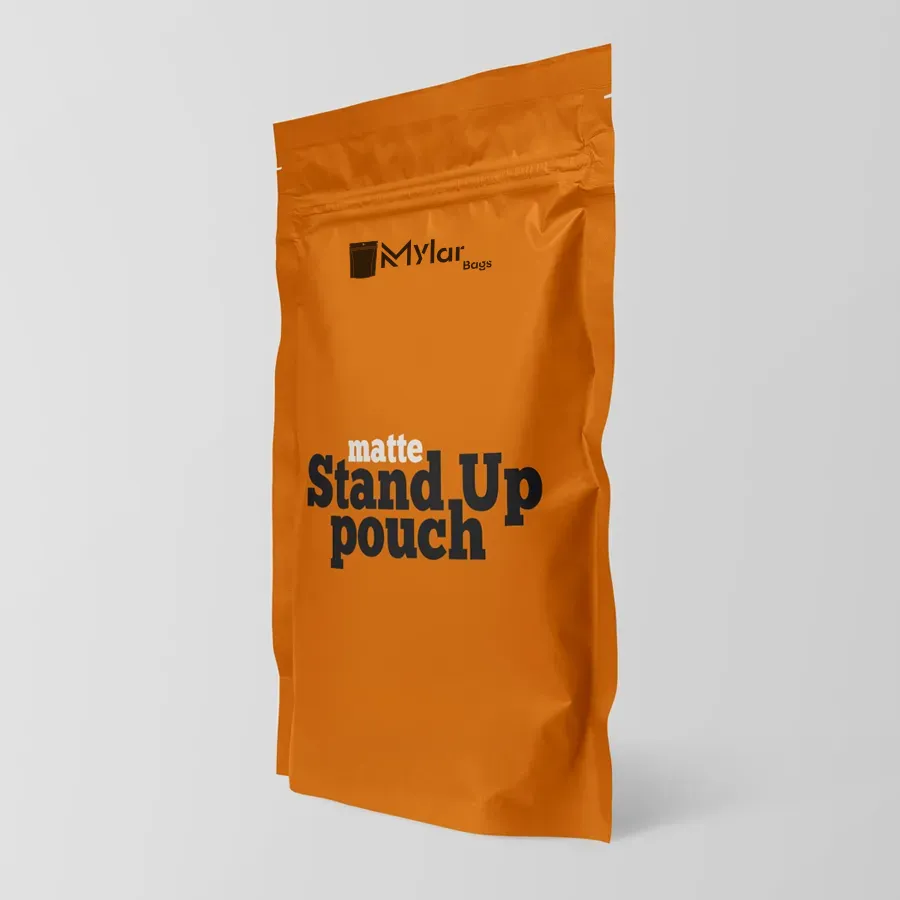
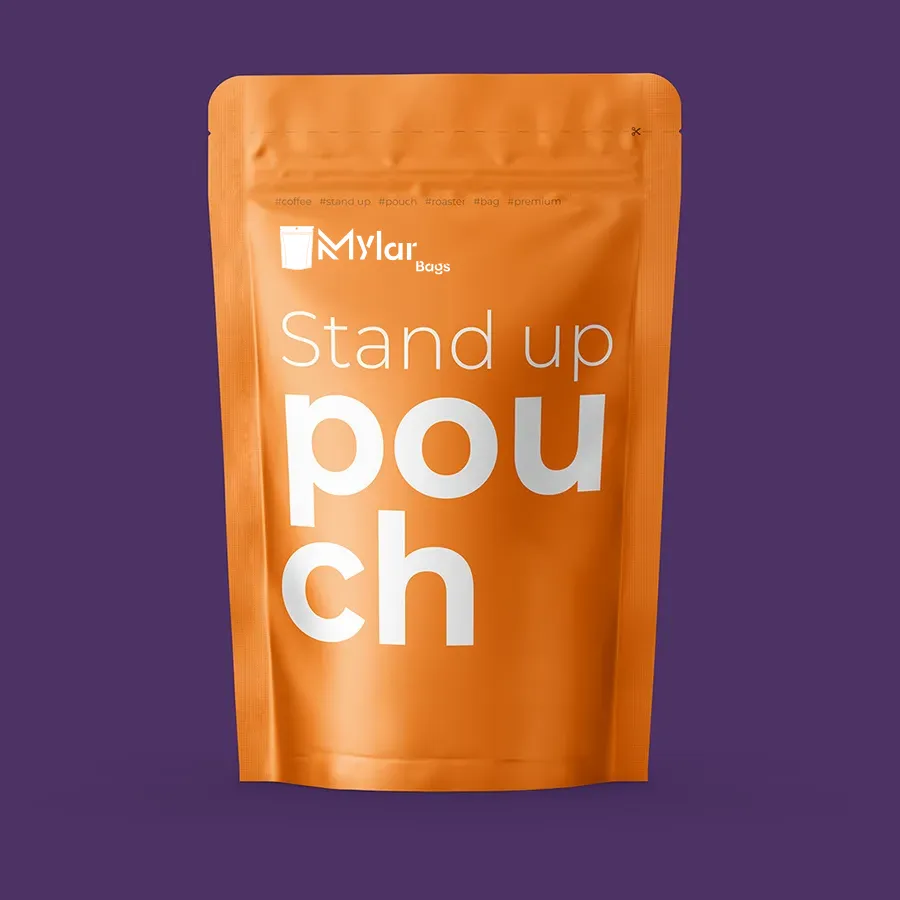
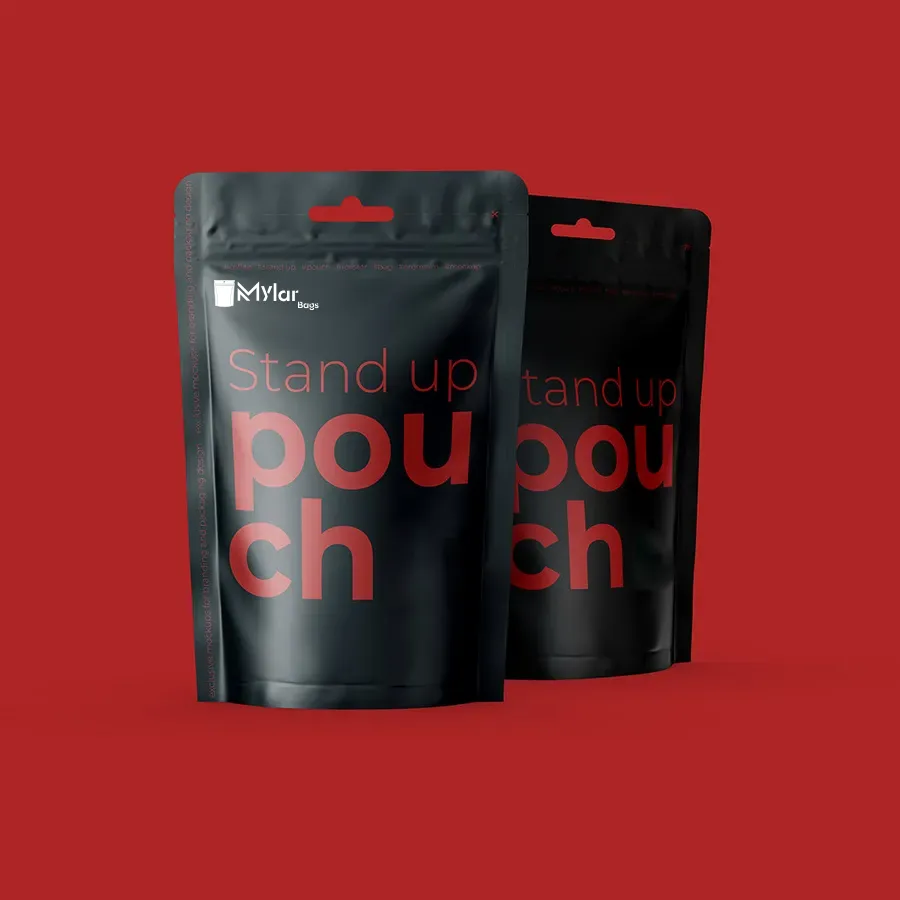
Designed for ease of use and prominent display, stand-up pouches are constructed to remain upright on shelves, making them user-friendly and attention-grabbing.

Featuring gussets on the sides, these bags offer increased volume capacity, making them suitable for packaging bulkier items or larger quantities.

These bags are characterized by strong seals on all four sides, providing excellent protection for the contents and enhancing the durability of the packaging.
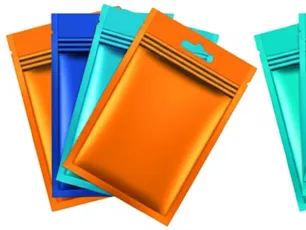
Known for their simplicity and cost-effectiveness, pillow bags are a popular choice for packaging lighter products, facilitating efficient and rapid packaging processes.
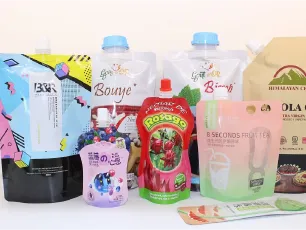
This packaging design incorporates a spout, making it easy and convenient to dispense liquid or granular products, offering precise control.
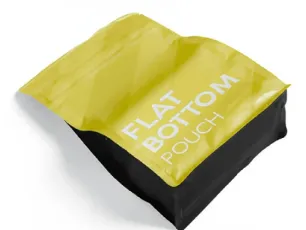
These bags are designed with a flat bottom, providing stability for shelf display, ensuring the product stands upright, and maximizing visibility.

Doypack bags are specifically engineered to stand upright on their own, thanks to their rounded bottom, enhancing shelf presence and attracting consumer attention.

Featuring a cylindrical shape, tube bags are often utilized for packaging items that can be rolled, such as brochures, or other products.

These bags incorporate a sliding closure mechanism, allowing for easy and reliable resealing, enhancing product freshness and user convenience.

These bags are designed to remove air from the packaging, providing superior protection against air and moisture, thereby extending the shelf life of the contents.
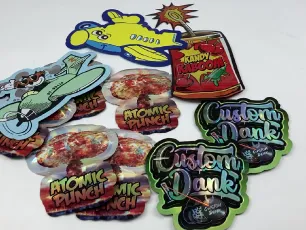
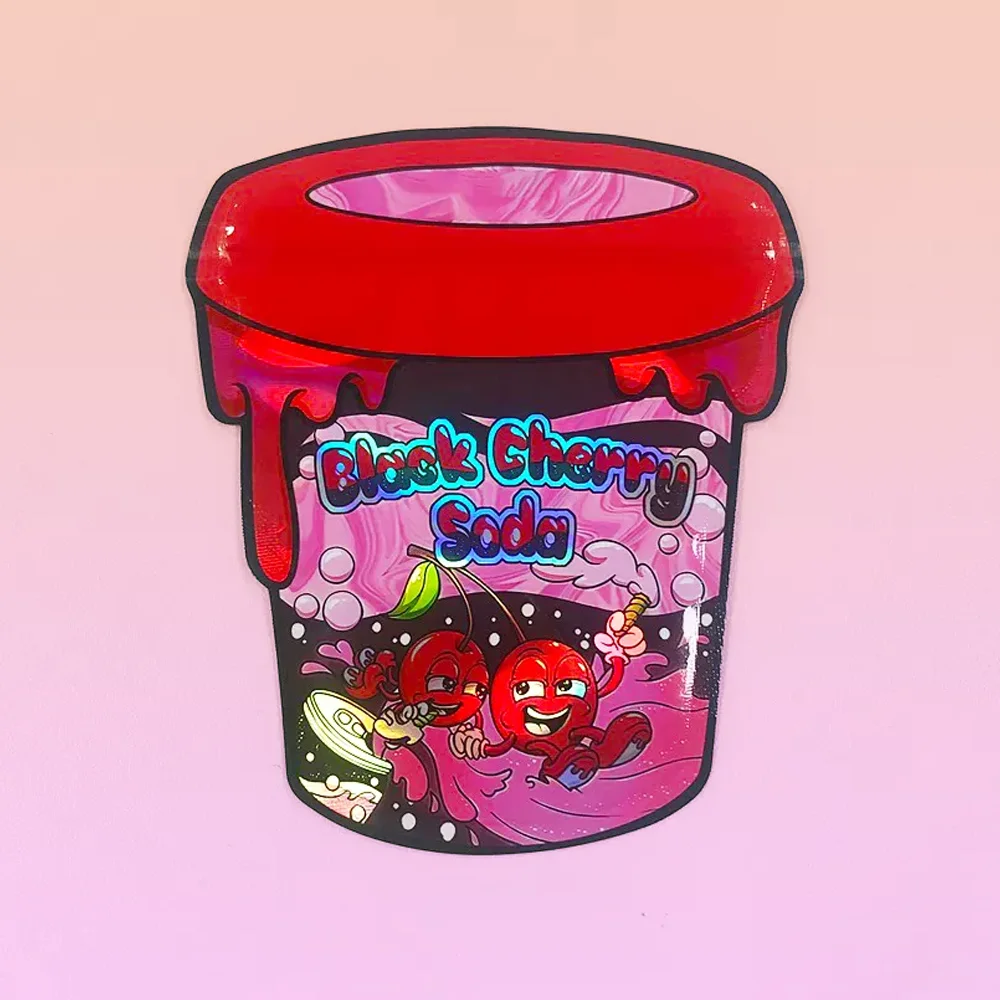
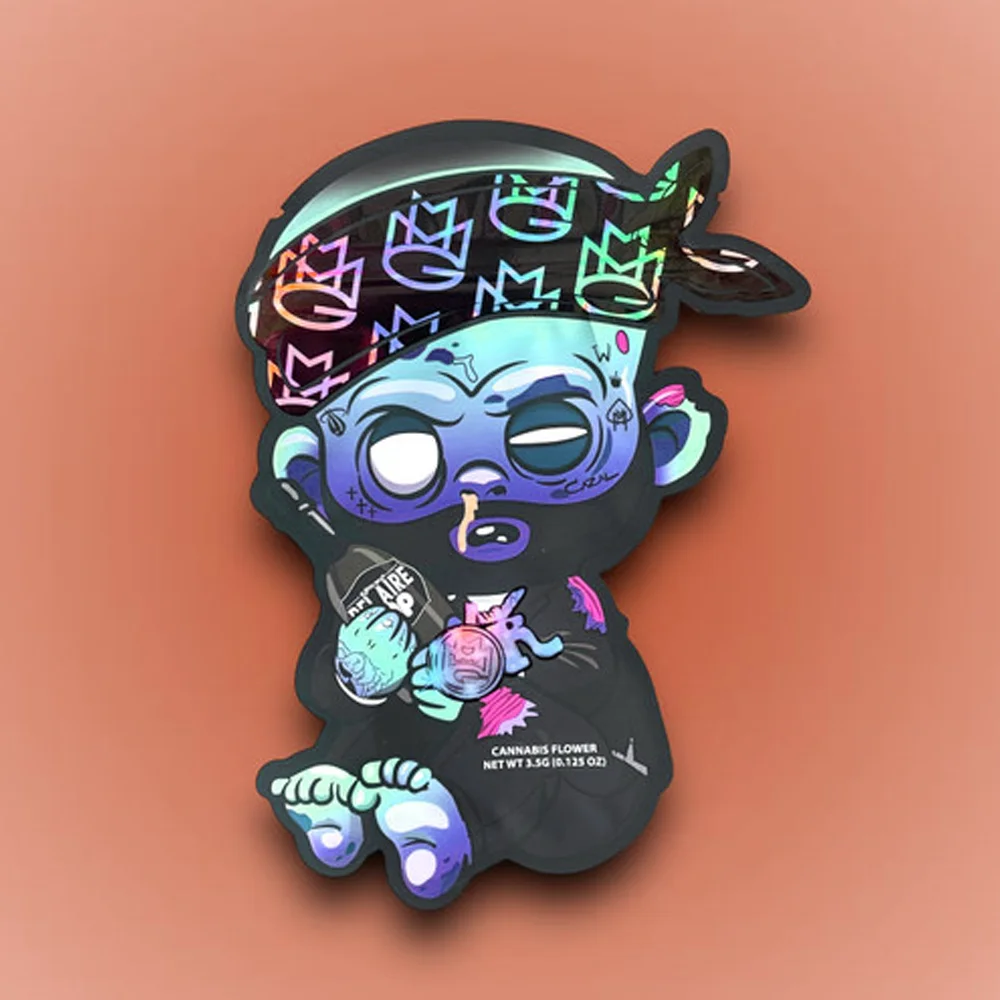
These bags offer the advantage of unique and customized shapes, creating distinct branding opportunities and setting the product apart from competitors.
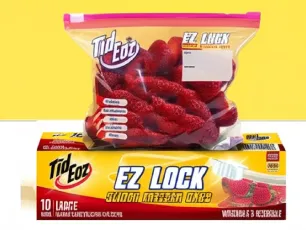
Ziplock closure bags provide a convenient and resealable closure, allowing consumers to open and close the package multiple times, preserving product freshness.